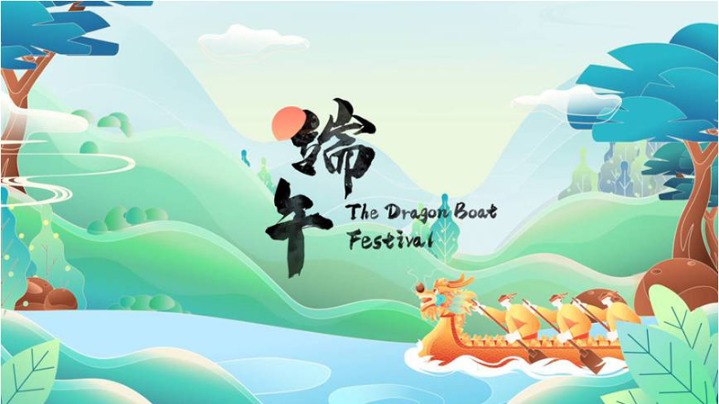
Dragon Boat Festival
Introduction
The Dragon Boat Festival, known as Duanwu Festival in Chinese, is a traditional cultural event celebrated on the fifth day of the fifth month of the Chinese lunar calendar. This festival dates back to more than 2,000 years ago with a number of legends explaining its origin.
It is observed not only in China but also in various countries including Singapore, Malaysia and regions with significant Chinese populations.
Origins and Historical Background
The Dragon Boat Festival is deeply rooted in Chinese history and folklore. The most widely accepted origin story revolves around poet Qu Yuan (340-278 BC) from the state of Chu during the Warring States Period (475-221 BC). Qu Yuan was a loyal and patriotic figure who, upon witnessing the decline of his beloved state, chose to end his life by drowning himself in the Miluo River. Local people, mourning his loss, threw rice into the river to distract fish from consuming Qu Yuan's body, leading to the tradition of "zongzi" (glutinous rice dumplings) being associated with the festival.
Cultural Significance and Traditions
The Dragon Boat Festival is marked by a variety of cultural practices and foods that vary by region. Some of the key elements include:
Dragon Boat Racing
Dragon boat races are the centerpiece of the festival. Teams paddle in long, narrow boats adorned with dragon heads, racing to the beat of drums. These races not only honor Qu Yuan but also serve as a vibrant display of teamwork and community spirit.
Zongzi
Zongzi, or sticky rice dumplings wrapped in bamboo or reed leaves, are a staple food during the festival. These dumplings can have sweet or savory fillings, with variations seen across different regions of China. In the north, sweet fillings like red bean paste are popular, while southern preferences lean towards savory options such as salted egg yolk and pork.
Realgar Wine
Consuming realgar wine is another tradition associated with the Dragon Boat Festival. Historically, this practice was believed to ward off evil spirits and disease. The wine, consisting of fermented cereals and powdered realgar, is considered both a medicinal and protective drink.
Hanging Auspicious Leaves
To prevent diseases and repel insects, homes are often decorated with auspicious plants like mugwort and calamus. These plants are believed to have protective properties, aligning with the festival's themes of health and safety.
Wearing Scented Sachets
On the Dragon Boat Festival, children normally wear scented sachets threaded with five-color silk string to ward off evil. A scented sachet is an ornament worn on the front of the dress.
It is usually wrapped in a silk cloth and sometimes embroidered with exquisite patterns. Multicolor silk threads are attached to the sachet as decorative tassels. In some areas of China, a scented sachet is also used as a token between young lovers.
Regional Variations and Global Celebrations
While the Dragon Boat Festival is rooted in Chinese culture, its influence extends beyond China.
Around the world, particularly in countries with large Chinese communities, the festival is celebrated with dragon boat races and cultural events. In the United States, cities like New York and San Francisco host dragon boat festivals that draw participants from diverse backgrounds, celebrating both the sport and its cultural origins.
Cultural Impact and Modern Relevance
The Dragon Boat Festival has been recognized as a UNESCO intangible cultural heritage, highlighting its cultural significance and the need to preserve traditional practices. In China, it is celebrated as a public holiday, with activities and events that reinforce cultural identity and community bonds.
The festival's impact is evident in its ability to bring people together, fostering a sense of unity and shared heritage.








